Youth Olympic Games in Dakar 2026: What to Know
The Youth Olympic Games come to Dakar, Senegal in 2026 — the first time the Games are held on the African continent. Here is what to know.
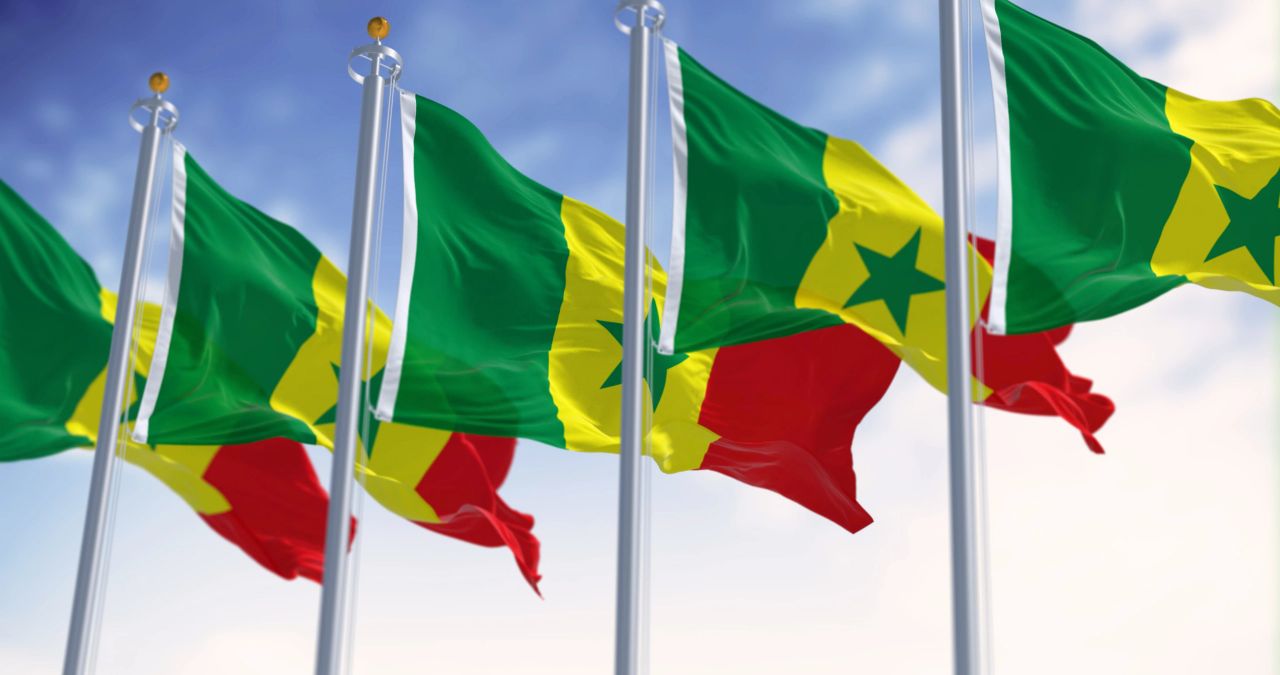
The Youth Olympic Games return in 2026 with a historic twist — this time, the world's brightest young athletes will gather in Dakar, Senegal, marking the first time the Games are held on the African continent. This milestone isn't just a win for Senegalese sport — it's a transformative moment for global youth development through athletics.
Designed for competitors aged 15 to 18, the Youth Olympic Games blend high-level competition with education and cultural exchange, fostering leadership, inclusion, and Olympic values in the next generation. Dakar's hosting ushers in a new era of accessibility and representation in international sport.
With event hubs spanning the city's vibrant urban landscape and coastal zones, the Games will spotlight not only athletic excellence but also sustainable infrastructure and youth-driven urban development. Local communities are already engaging in programs that support athlete pathways, volunteer training, and grassroots sports initiatives — key components in maximizing long-term impact.
In this article, you'll discover how the Dakar 2026 Games are shaping the future of youth sports, what makes this edition unique, and how cities, organizations, and young athletes can prepare to get involved.
What You Need to Know About Dakar 2026's Structure and Offerings
The Youth Olympic Games in Dakar 2026 represent a landmark moment for African sport, bringing global attention to Senegal's vibrant athletic culture and infrastructure development. The event features a dynamic mix of traditional and emerging disciplines tailored for young athletes aged 15 to 18.
Key dates include the Opening Ceremony set for October 10, followed by over two weeks of elite competition culminating in the Closing Ceremony around October 24. Competition is centralized in Dakar, with events hosted across newly upgraded and purpose-built venues such as the Dakar Arena, Senegalese National Sports Complex, and coastal facilities supporting beach sports.
Featured sports include athletics, swimming, basketball 3x3, wrestling, judo, and the debut of breaking (breakdancing) as an official medal event. Organizers are prioritizing gender equality and urban accessibility, ensuring programs reflect both global trends and local relevance.
For those planning involvement — whether as attendees, organizers, or community supporters — it's crucial to monitor official event timelines, venue access plans, and transportation logistics. Understanding the sports lineup and scheduling cadence helps align local initiatives, volunteer efforts, and youth programming with the Games' rhythm. Staying informed on training qualification pathways and regional tryout dates also empowers young athletes to prepare effectively.
How the Youth Olympics Fuel Global Youth Empowerment and Athletic Growth
The Youth Olympic Games represent more than just a global sporting event — they serve as a powerful catalyst for youth engagement and athletic development on an international scale. By bringing together elite young athletes aged 15 to 18, the YOG creates a unique ecosystem where competition, education, and cultural exchange converge to shape the next generation of leaders.
The 2026 edition in Dakar further elevates this mission, spotlighting Africa's growing role in global sports and inspiring underserved communities across the continent.
One of the YOG's most impactful features is its integrated learning programs, which focus on Olympic values, mental wellness, anti-doping education, and career transition planning. These workshops empower athletes with life skills that extend beyond the podium, addressing common challenges young competitors face when balancing sport and personal development.
Additionally, the compact size and mixed-gender, mixed-NOC (National Olympic Committee) events encourage collaboration, breaking down geographic and cultural barriers.
For communities in regions like West Africa, hosting the Games accelerates investment in sports infrastructure, increases visibility for local talent, and motivates grassroots participation. Cities like Dakar gain global exposure, which often leads to sustained youth programming and public-private partnerships in athletics.
Actionable takeaway: Whether you're a coach, educator, or community organizer, consider how YOG-inspired initiatives — like values-based training modules or cross-cultural athlete exchanges — can be adapted locally to support holistic youth development through sport.
Dakar 2026: A Platform for Lasting Global Partnerships and Social Impact
The Dakar 2026 Youth Olympic Games represent more than a sporting milestone — they are a powerful platform for advancing social initiatives on a global scale. As the first Olympic event hosted in Africa, these Games offer a historic opportunity to amplify messages that promote integrity, inclusion, and youth empowerment far beyond the arena.
One such message gaining attention is the "Red Card" campaign, which unites athletes, sports leaders, governments, and international organizations to take a stand against corruption, discrimination, and injustice. While visibility during the Games is important, the greater potential lies in using this moment as a catalyst for lasting partnerships and commitments.
By aligning youth sports with purpose-driven initiatives, organizers and advocates can create frameworks that endure long after the final medal is awarded. These collaborations can support education programs, anti-doping awareness, gender equity in sports, and community development projects — particularly across underserved regions in Africa and beyond.
Organizations and advocates should consider how to leverage this global spotlight to forge alliances that extend into the future. Whether through pledge campaigns, cross-border youth exchanges, or policy dialogues hosted alongside the Games, the goal should be to generate momentum that persists in schools, sports federations, and civic institutions worldwide.
Key action step: Use the energy of Dakar 2026 to initiate long-term programs that connect athletic excellence with ethical leadership, ensuring young athletes become ambassadors for positive change in their communities.
How to Stay Updated and Watch the Youth Olympic Games in Dakar 2026
Follow these steps to stay informed and enjoy every moment of the Youth Olympic Games in Dakar 2026 from anywhere in the world.
Check the Official Event Schedule
Visit the official Dakar 2026 website to access the full competition calendar. The schedule lists start times by sport, venue, and date, organized by local West Africa Time (GMT+1). Use this to plan which events to watch live based on your local time zone.
Watch Live on YouTube
Stream live coverage and highlights on YouTube via the official Olympic channel, following opening ceremonies, key competitions, and athlete features in real time.
Follow on Instagram
Stay connected with behind-the-scenes moments, athlete highlights, and event updates by following the official Olympics Instagram, with exclusive content showcasing the spirit of the Youth Olympic Games.
Enable Real-Time Notifications
Download the official Dakar 2026 app or follow the event on major social media platforms. Turn on alerts for medal updates, live scores, and breaking news to never miss key moments, especially for niche or daytime events in Senegal that may air overnight elsewhere.
Use Reliable Online Hubs for Results and Rankings
Bookmark the official results portal to track athlete performances, team standings, and qualification progress throughout the Games. These platforms update in real time and often include searchable athlete profiles and event analytics.
Tip: Sync key event times with your personal calendar and use reminders to prepare for live viewing — especially for finals featuring top global youth talent.
A Lasting Legacy for Senegal and the World
The Youth Olympic Games in Dakar 2026 represent far more than a global sports event — they are a transformative opportunity to leave a deep cultural and sporting legacy across Senegal and West Africa. Beyond medals and records, the Games will showcase Dakar's rich heritage, fostering cross-cultural exchange and inspiring a new generation of athletes and artists alike.
Youth engagement programs, local arts integration, and community-driven events will ensure that the spirit of the Games resonates in neighborhoods long after the final whistle.
Infrastructure developments, including sports facilities and training centers, will be repurposed for public use, increasing access to youth sports and physical education in underserved areas. These investments support long-term athlete development pathways and create opportunities for talent identification at the grassroots level.
To honor this legacy, communities can:
- Support local sports initiatives that promote youth participation year-round
- Celebrate cultural exchange by attending or organizing events that highlight Senegalese traditions
- Encourage mentorship programs connecting elite athletes with aspiring youth
The true success of Dakar 2026 will be measured not just by competition results, but by how many young people feel empowered to pursue excellence — on and off the field. Stay informed, get involved locally, and help sustain the momentum this global moment creates.
The Red Card Campaign
Alongside the Games, the Red Card Campaign, led by the African Renaissance and Diaspora Network (ARDN), UNESCO and their partners, aims to promote sport free from violence and discrimination.
Explore Topics
Written by
ARDN Team
Content creator and writer sharing insights and stories.